

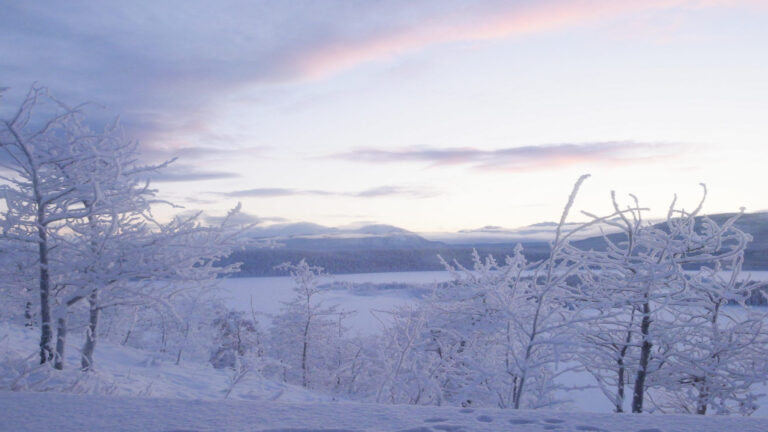
When most people think about the coldest places on Earth, they probably imagine a frozen village in Siberia or a remote Antarctic research station surrounded by endless snow. The reality is even more extreme.
Some of the coldest places on Earth are so severe that normal human life is difficult to imagine there. Temperatures can fall far below the point where water freezes, exposed skin can become dangerous within minutes, and winter darkness can last for months in the polar regions.
The official world record for the lowest surface air temperature remains −89.2°C (−128.6°F), measured at Vostok Station in Antarctica on July 21, 1983, according to the World Meteorological Organization (WMO).
But Vostok is only part of the story. Extremely low temperatures have also been measured at other Antarctic research stations, on the Greenland ice sheet, and in permanently inhabited Siberian settlements.
Here are five of the coldest places worth knowing about, along with what makes each location so unusually cold.
The 5 Coldest Places at a Glance
| Rank | Place | Lowest recorded temperature | Location |
|---|---|---|---|
| 1 | Vostok Station | −89.2°C (−128.6°F) | Antarctica |
| 2 | Plateau Station | −86.2°C (−123.1°F) | Antarctica |
| 3 | Dome C | −84.6°C (−120.3°F) | Antarctica |
| 4 | Klinck AWS | −69.6°C (−93.3°F) | Greenland |
| 5 | Verkhoyansk / Oymyakon | −67.8°C (−90.0°F) | Siberia, Russia |
The first three locations are Antarctic research environments, while Greenland’s Klinck AWS holds the Northern Hemisphere record. Verkhoyansk and Oymyakon are especially remarkable because they are permanent settlements rather than isolated scientific stations.
1. Vostok Station, Antarctica
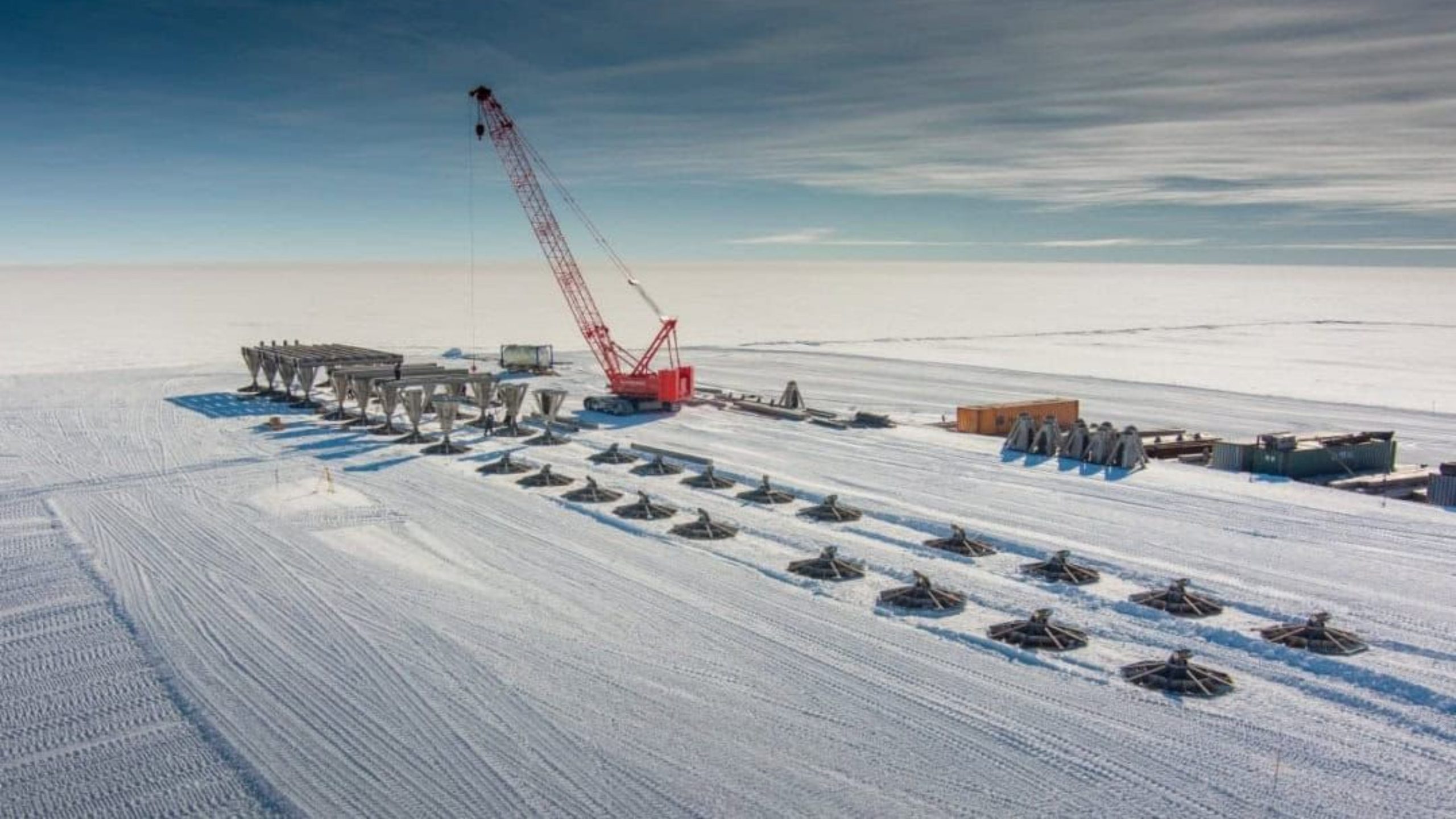
Lowest recorded temperature: −89.2°C (−128.6°F)
Date: July 21, 1983
Vostok Station holds the official record for the lowest surface air temperature ever recorded on Earth.
The Russian research station sits deep in East Antarctica at an elevation of about 3,420 meters (11,220 feet). The combination of extreme latitude, high elevation, a dry continental climate and long periods without sunlight creates extraordinary cold. The WMO formally recognizes the −89.2°C reading as the global record.
At that temperature, this is far beyond the kind of cold most travelers will ever experience.
Why is Vostok so cold?
Several factors work together.
First, Antarctica is surrounded by an immense ice-covered landscape that reflects much of the Sun’s energy. During the Antarctic winter, the Sun disappears for long periods.
Second, Vostok sits high above sea level. Higher elevations generally have colder air.
Third, the interior of Antarctica is extremely dry. There is very little atmospheric moisture available to trap outgoing heat near the surface.
Finally, during exceptionally calm and clear conditions, the snow-covered surface can lose heat rapidly into the atmosphere.
The WMO’s record discussion notes that the 1983 extreme was associated with a combination of absent solar radiation, clear skies, little vertical mixing, calm air and the station’s high elevation.
Can tourists visit Vostok Station?
Vostok is not a normal tourist destination.
It is an extremely remote scientific station in the interior of Antarctica, and reaching it is nothing like visiting a conventional national park or polar cruise destination.
For most travelers, seeing Vostok in person is not realistic. Antarctica trips accessible to tourists are generally focused on the Antarctic Peninsula and coastal regions rather than the deep interior where Vostok is located.
Vostok’s place in climate science
The station is scientifically important for more than temperature records. Vostok is famous for deep ice-core research, which has helped scientists investigate Earth’s climate history over hundreds of thousands of years.
That makes the location fascinating even if almost nobody will ever stand there as a tourist.
2. Plateau Station, Antarctica
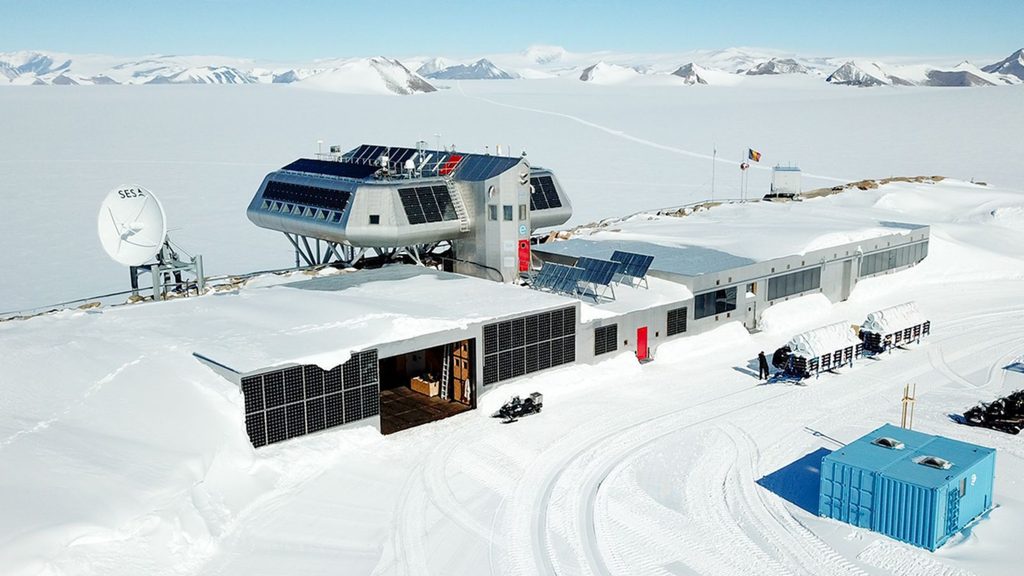
Lowest recorded temperature: −86.2°C (−123.1°F)
Date: July 20, 1968
Plateau Station is another remarkable example of just how extreme the Antarctic interior can become.
A historical U.S. research station, Plateau Station was established on the high Antarctic ice sheet. Its lowest recorded temperature was −86.2°C on July 20, 1968. Historical summaries of the station’s climate also note another reading of −86.1°C during the same winter period.
Although Plateau Station does not hold the world record, its temperature was only a few degrees warmer than Vostok’s official minimum.
Why Plateau Station became so cold
Plateau Station’s location was one of the biggest reasons.
It stood on the high Antarctic plateau, far inland and far from the moderating influence of the ocean. The surrounding ice and snow surface helped the area lose heat efficiently, particularly under calm skies during the long polar winter.
The station’s historic weather record was relatively short, but the measurements demonstrated how extreme the interior Antarctic climate can be.
What happened to the station?
Unlike some modern Antarctic research stations, Plateau Station is no longer a continuously operating research base.
Its historical importance, however, remains. The recorded minimum of −86.2°C places it among the coldest scientifically measured environments in Earth’s history.
For travelers, Plateau Station is more interesting as a piece of polar exploration history than as a practical destination.
3. Dome C, Antarctica
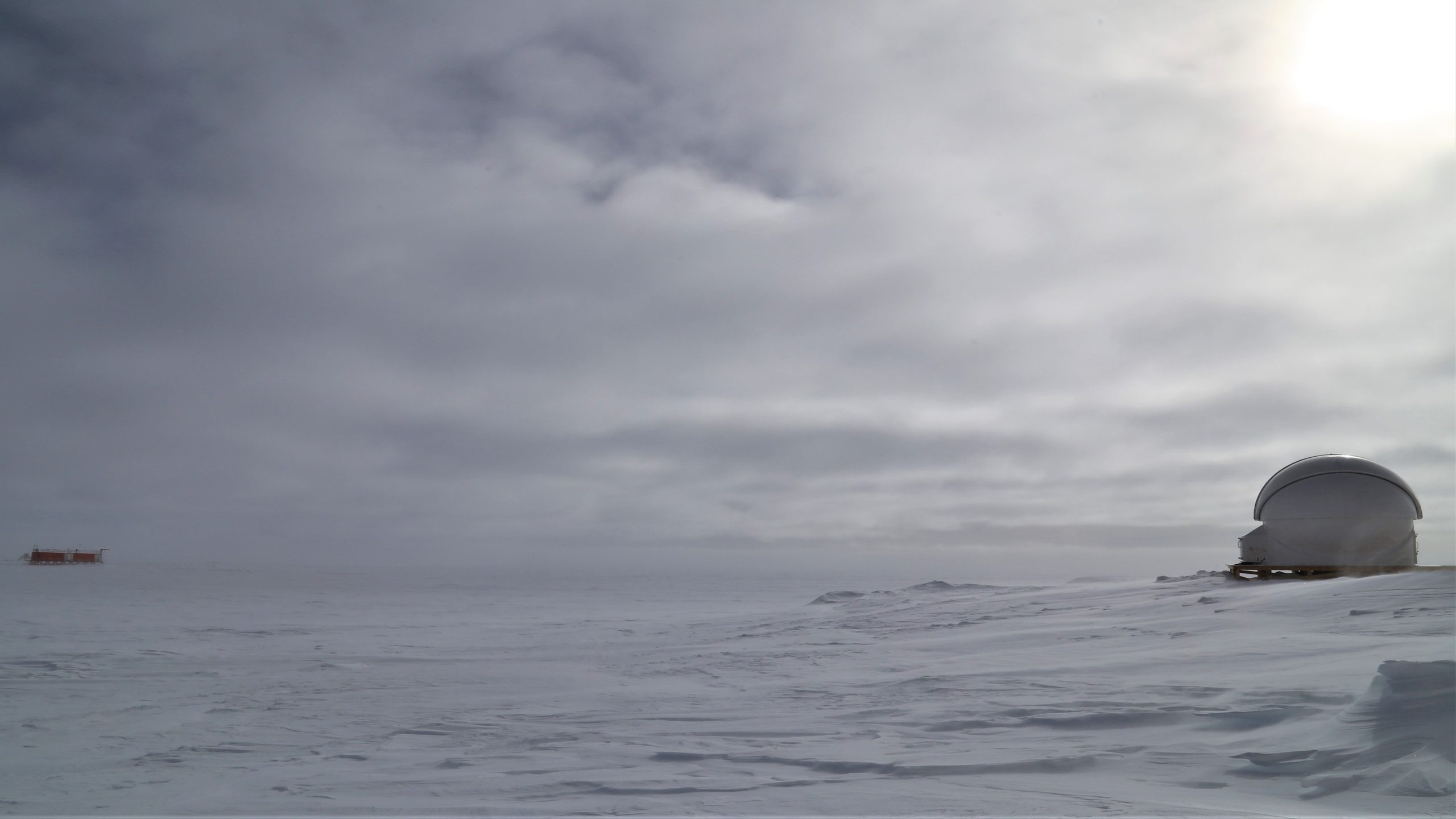
Lowest recorded temperature: about −84.6°C (−120.3°F)
Dome C, sometimes known as Concordia Station, is located high on the East Antarctic Plateau.
Scientific observations have recorded temperatures around −84.6°C, making Dome C one of the coldest continuously studied environments on Earth. Research published through the American Meteorological Society and other scientific sources documents an absolute minimum of −84.6°C at Dome C.
The site sits at roughly 3,230–3,280 meters above sea level and more than 1,000 kilometers from the Antarctic coast.
What makes Dome C different?
One of Dome C’s most remarkable characteristics is how long the cold season can persist.
Research describes a so-called “coreless” winter, during which temperatures remain extremely low for an extended period rather than showing the kind of daily or seasonal variation people experience in temperate climates. Historical observations found winter conditions averaging around −60°C at the site, with occasional much colder extremes.
Even summer doesn’t mean warmth.
Scientific sources report typical summer conditions around −30°C, illustrating just how different Antarctica’s interior is from ordinary winter climates elsewhere.
Concordia Station
Dome C is home to the international Concordia research station, operated by European polar research organizations.
Researchers work there because the site offers unusual conditions for astronomy, atmospheric science, climate research and other scientific projects.
The remoteness is part of its scientific value—but it also means visiting is highly restricted compared with ordinary tourist destinations.
4. Klinck AWS, Greenland
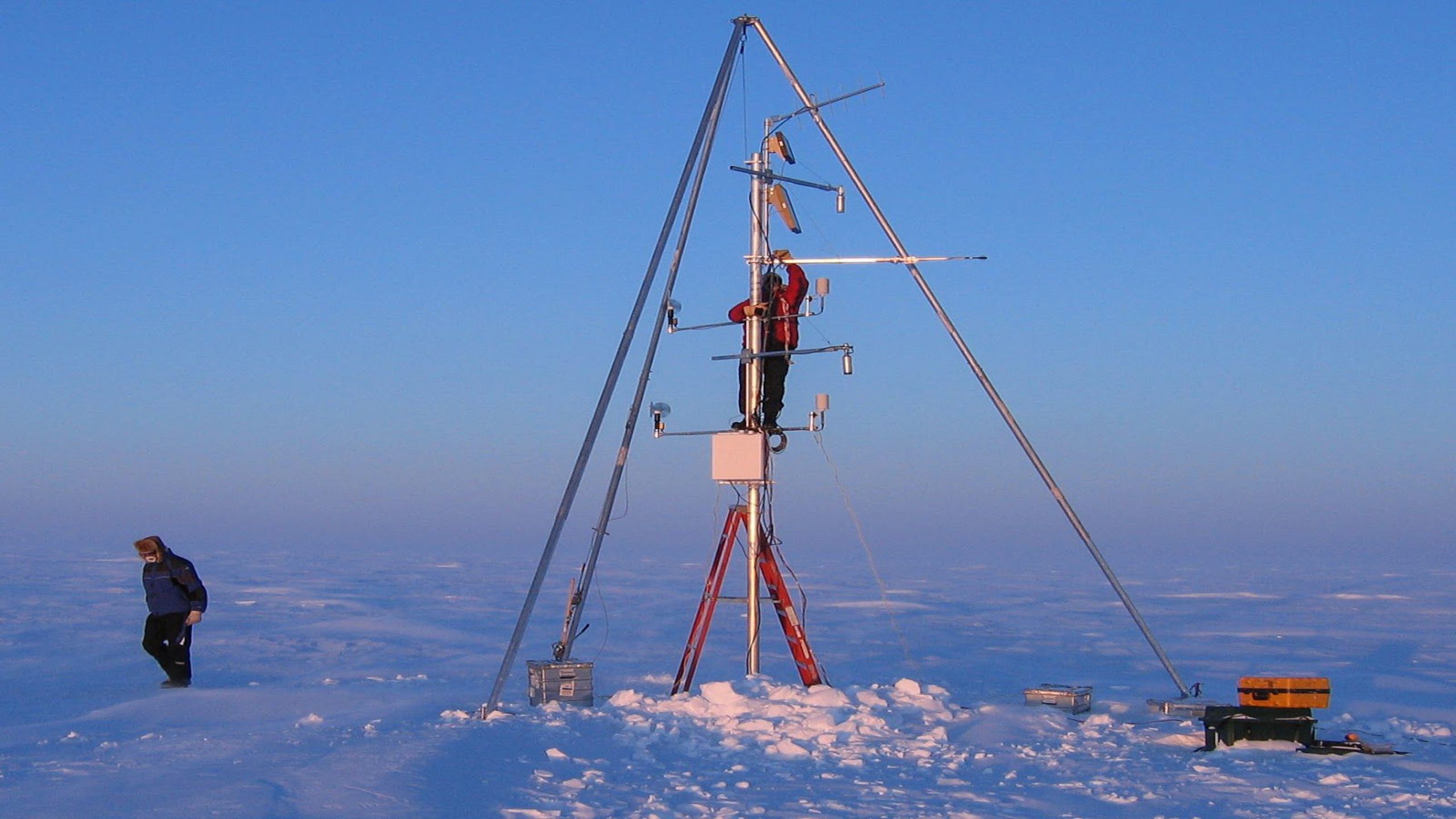
Lowest recorded temperature: −69.6°C (−93.3°F)
Date: December 22, 1991
Klinck Automatic Weather Station in Greenland holds an especially important distinction:
It recorded the lowest temperature ever officially measured in the Northern Hemisphere.
The WMO verified a temperature of −69.6°C at Klinck AWS on December 22, 1991. The station was located on the Greenland ice sheet at an elevation of about 3,216 meters (10,551 feet).
Before this measurement was officially recognized, the Northern Hemisphere record belonged to Siberian locations.
Why Greenland can get this cold
Greenland’s enormous ice sheet creates a very different climate from the coastal settlements around the island.
The Klinck site was far inland and at high elevation. During winter, sunlight is extremely limited, and cold air can remain trapped over the ice sheet.
Its location is also important because the ocean moderates temperatures in many coastal areas. Farther inland, that influence becomes much weaker.
Is Klinck a town?
No.
Klinck AWS is an automatic weather station, not a conventional settlement.
That distinction matters when comparing the world’s coldest places. A research or weather station can record temperatures that ordinary communities could not easily tolerate.
The WMO also notes that the −69.6°C Klinck measurement surpassed earlier −67.8°C records from Verkhoyansk and Oymyakon.
5. Verkhoyansk and Oymyakon, Russia
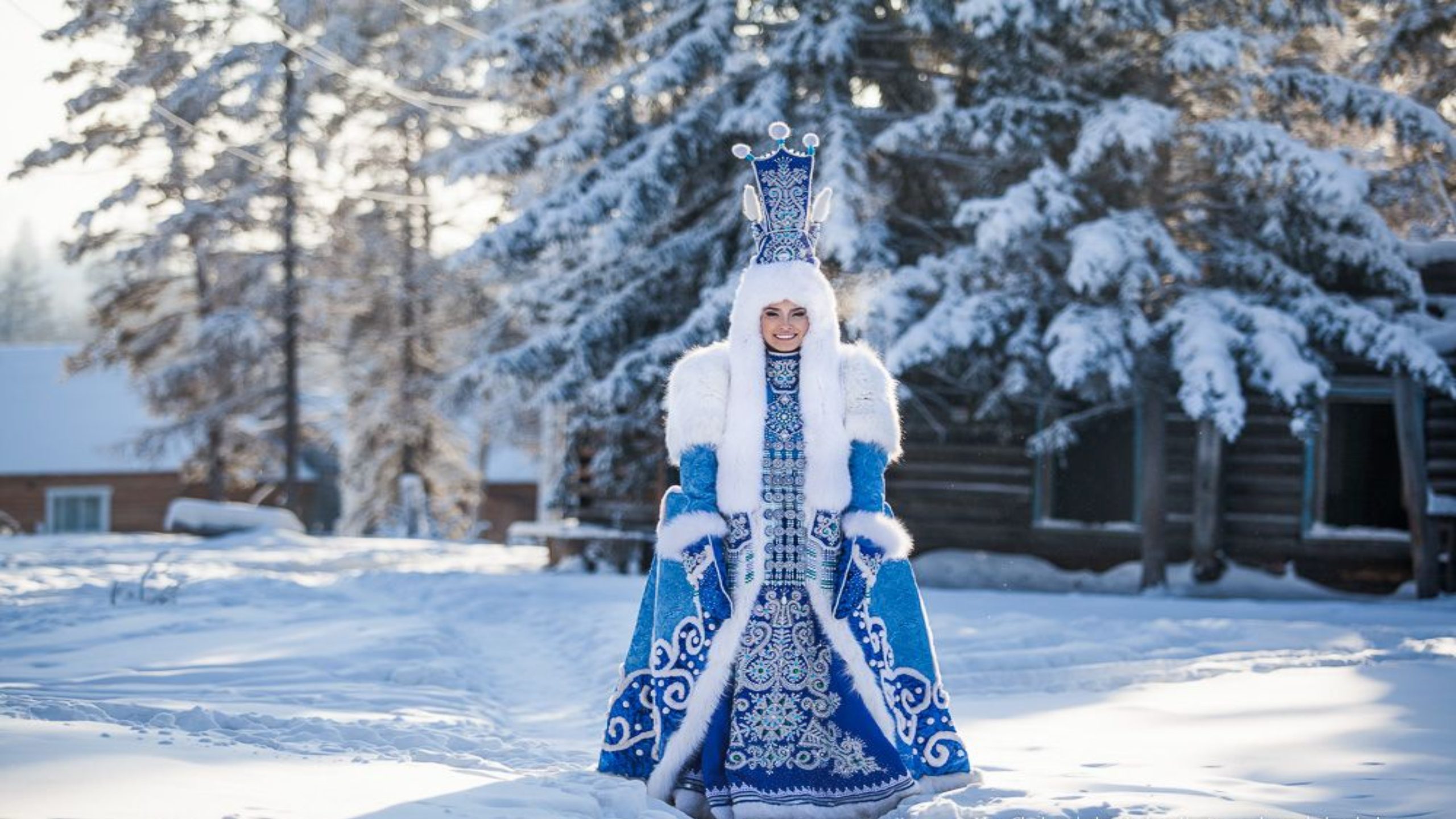
Lowest recorded temperature: around −67.8°C (−90°F)
The fifth spot is more complicated because Verkhoyansk and Oymyakon are both associated with exceptionally low temperatures.
Both are in northeastern Siberia, one of the coldest inhabited regions on Earth.
WMO records cite −67.8°C at Verkhoyansk in February 1892 and at Oymyakon in January 1933.
NASA also describes northeastern Siberia as the coldest permanently inhabited region on Earth, noting the extreme temperatures recorded at Verkhoyansk and Oymyakon.
Oymyakon
Oymyakon is perhaps the more famous of the two internationally.
Its reputation comes from the fact that it is an inhabited settlement where winter temperatures can reach extraordinary levels.
Unlike Antarctica’s scientific stations, this is a place where people actually live, work and maintain a community despite the extreme climate.
That makes the cold here especially remarkable.
Everyday life in Oymyakon
Life in an environment this cold requires preparation for conditions far outside the experience of most people.
Vehicles may need special treatment, outdoor work becomes more difficult, and daily activities are affected by temperature.
Even a routine trip outside can become a serious task during an extreme cold spell.
Yet the settlement is not abandoned during winter. People continue to live their normal lives as much as possible.
Verkhoyansk
Verkhoyansk is another historic Siberian settlement famous for extreme temperatures.
Its record of approximately −67.8°C dates to 1892, and the location has long been associated with some of the coldest inhabited conditions on the planet.
What makes Verkhoyansk particularly interesting is the huge contrast between its winter cold and summer heat.
In 2020, the town became globally famous for a different reason when the WMO recognized a 38°C Arctic temperature record there, demonstrating how dramatically continental climates can swing between seasons.
That contrast is one of the best examples of why Siberia should not simply be described as “cold all year.”
Why Are These Places So Cold?
Extreme cold is not caused by a single factor.
Several geographic and atmospheric conditions can combine to create record-breaking temperatures.
Latitude
The farther a location is from the equator, the more seasonal variation it generally experiences.
Near the poles, the Sun can remain below the horizon for long periods during winter, sharply reducing incoming solar energy.
Elevation
High-altitude locations can become dramatically colder.
Vostok, Dome C and Klinck are all located thousands of meters above sea level. Their elevation contributes to their extreme conditions.
Snow and ice
Snow and ice reflect a large portion of incoming sunlight instead of absorbing it.
That helps keep polar surfaces cold.
Clear skies
Clouds can act like an insulating blanket by reducing the amount of heat that escapes from the Earth’s surface.
During long periods of clear weather, the surface can lose heat much more efficiently.
Dry air
Antarctica’s interior is one of the driest regions on Earth.
Water vapor is an important greenhouse gas, so very dry air contributes to intense surface cooling.
Calm conditions
Strong mixing of the atmosphere can distribute heat.
In contrast, exceptionally calm conditions can allow an intense layer of cold air to remain near the surface.
These factors combined played an important role in the Vostok record.
Antarctica vs Siberia Which Is Colder?
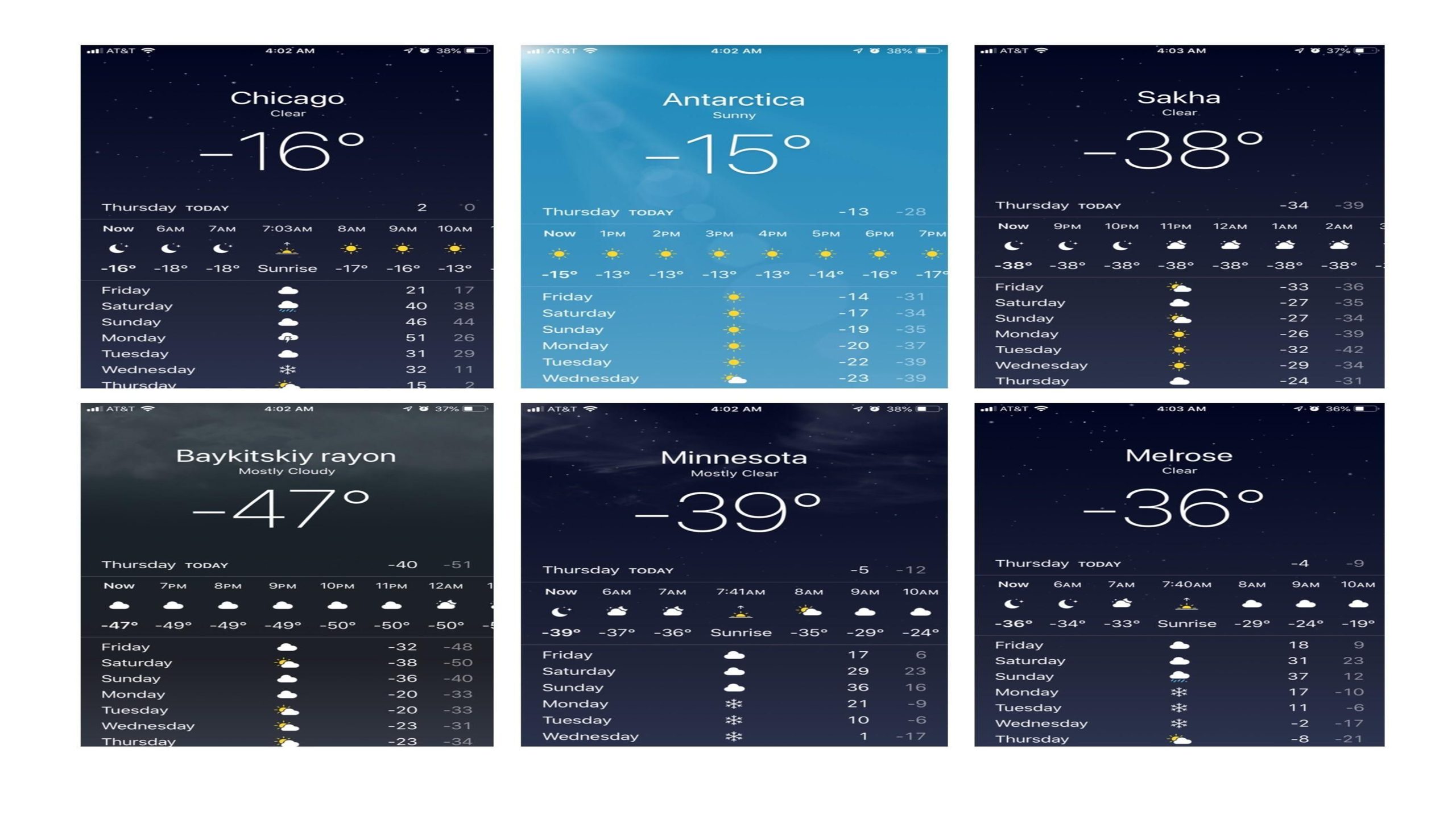
Antarctica wins by a large margin when looking at the lowest recorded temperature.
The official global record is −89.2°C at Vostok, compared with approximately −67.8°C at Verkhoyansk and Oymyakon.
But there’s an important difference.
Antarctica
The coldest Antarctic locations are generally highly remote research stations or automatic weather stations.
There are no large permanent civilian cities deep in the interior.
Siberia
Siberia contains permanent settlements where people live throughout the winter.
That’s why Oymyakon and Verkhoyansk are so frequently mentioned when people ask for the coldest inhabited places in the world.
So the answer changes depending on the question:
Coldest official surface air temperature: Vostok, Antarctica.
Coldest permanently inhabited region: northeastern Siberia, particularly the Oymyakon–Verkhoyansk area.
What About the “Coldest Place” Found by Satellites?
This is an important detail that is often left out of articles about extreme cold.
NASA satellites have detected extremely cold snow-surface temperatures in small depressions on the East Antarctic Plateau. NASA reported a satellite-derived reading of approximately −93.2°C (−136°F) from August 10, 2010.
That number is colder than the Vostok record.
So why isn’t it the official world temperature record?
Because it was measured remotely from space and represents the surface temperature of the snow, rather than the standard near-surface air temperature measured by a conventional meteorological station.
The WMO’s official world record remains −89.2°C at Vostok.
This is a useful distinction when comparing extreme-weather records.
What Happens to the Human Body in Extreme Cold?
Temperatures below −40°C are already extremely dangerous, and the risks become even greater as temperatures fall.
At sufficiently low temperatures, exposed skin can freeze quickly, and breathing extremely cold air can become physically uncomfortable and potentially hazardous.
In places such as Oymyakon, residents adapt through clothing, heating, transportation practices and other precautions.
At Antarctic research stations, survival depends on insulated buildings, specialized clothing, carefully managed logistics and strict operational procedures.
For a traveler, the lesson is simple:
Extreme cold is not just “very chilly weather.”
At record-breaking temperatures, it is an environmental hazard that requires specialized equipment and planning.
Can Tourists Visit the Coldest Places in the World?
It depends on the location.
Vostok Station
Not a normal tourist destination. Access is highly specialized.
Plateau Station
The historic station is no longer a conventional tourist location.
Dome C
Concordia is a working scientific research environment rather than a conventional holiday destination.
Klinck AWS
The weather station is located in a remote part of Greenland’s ice sheet and is not a standard sightseeing attraction.
Oymyakon
This is the most realistic option for a traveler who wants to experience an extremely cold inhabited environment.
Visitors can reach the wider region with specialist planning, but winter conditions are serious, and travel should be arranged with people familiar with the area.
Best Time to Experience Extreme Cold
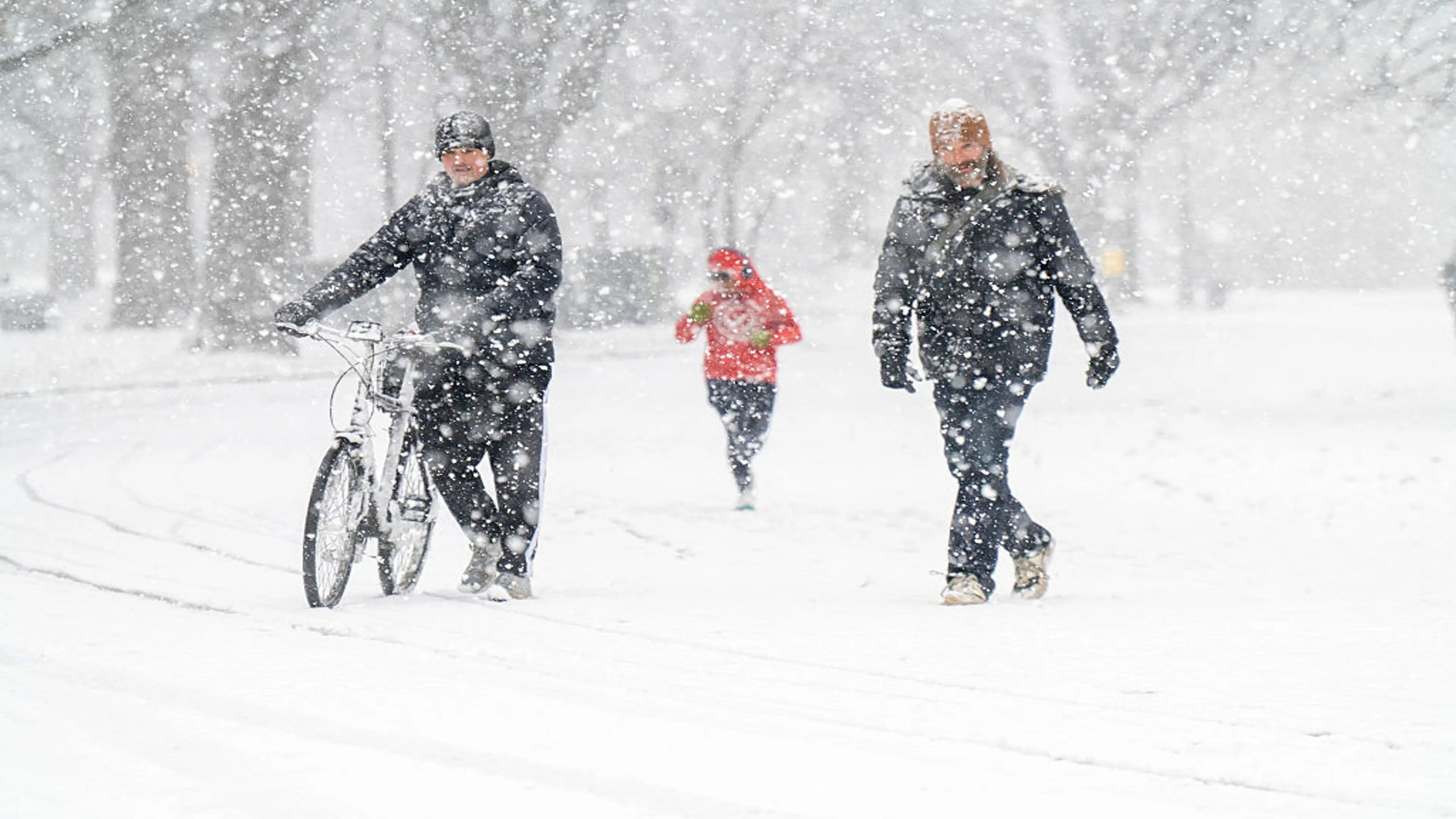
If your goal is to see these places at their coldest, winter is obviously the key period.
However, there is a big difference between visiting a cold destination and attempting to experience record-level conditions.
For example, travelers visiting Siberia in winter can encounter temperatures far below normal seasonal conditions, but nobody can guarantee a record-breaking cold spell.
Likewise, Antarctic expeditions accessible to tourists generally take place during the Antarctic summer, precisely because winter in the interior is too extreme and inaccessible for ordinary tourism.
So travelers should not confuse the best tourist season with the season when the lowest temperature records occur.
Cold Weather Travel Tips
Planning a trip to a very cold destination requires more preparation than simply bringing a thick jacket.
Dress in layers
A base layer, insulating middle layer and wind-resistant outer layer provide more flexibility than one heavy coat.
Protect exposed skin
Use proper gloves, warm socks, a hat and face protection in genuinely extreme conditions.
Keep electronics warm
Very cold temperatures can reduce battery performance significantly.
A phone or camera battery that lasts normally indoors may lose power much faster outside.
Carry backup power
A power bank stored close to your body can be more useful than one left exposed to freezing temperatures.
Follow local advice
People who live in extreme climates understand the conditions better than a short online guide.
Don’t underestimate the wind
Wind can make already dangerous temperatures feel even more severe.
Check transport conditions
Extreme cold can affect roads, vehicles and flights.
A flexible itinerary is much safer than a tightly scheduled one.
Interesting Facts About the World’s Coldest Places
Vostok is colder than dry ice?
Not quite.
Dry ice has a sublimation temperature of about −78.5°C, meaning Vostok’s record of −89.2°C is actually colder than the normal sublimation point of dry ice under standard atmospheric pressure.
But comparing a laboratory material and Earth’s weather isn’t especially useful—the important point is simply how extraordinarily cold the Vostok record is.
Siberia can be brutally cold and surprisingly hot
Verkhoyansk is a great example.
Although famous for its extreme winter temperatures, it also recorded a WMO-recognized Arctic high of 38°C in 2020.
That means the annual temperature range there can be extraordinary.
Antarctica is technically a desert
Despite being covered in ice, much of Antarctica receives very little precipitation.
The interior is so dry that it is classified climatically as a polar desert.
The coldest places are often very high
Vostok and Klinck both sit more than 3,000 meters above sea level.
Elevation is one of the recurring characteristics of the world’s most extreme cold records.
Frequently Asked Questions
What is the coldest place in the world?
Vostok Station in Antarctica holds the official world record for the lowest surface air temperature: −89.2°C (−128.6°F) on July 21, 1983.
Is Oymyakon the coldest place on Earth?
Not by the official global temperature record. Vostok is colder. Oymyakon is famous because it is one of the coldest permanently inhabited settlements and has recorded temperatures around −67.8°C.
What is the coldest place in the Northern Hemisphere?
The official Northern Hemisphere record is −69.6°C at Klinck AWS in Greenland, recorded on December 22, 1991.
Is Antarctica colder than Siberia?
Yes, when comparing the lowest recorded temperatures. Vostok’s −89.2°C record is substantially lower than the approximately −67.8°C records associated with Verkhoyansk and Oymyakon.
What are the coldest inhabited places in the world?
Northeastern Siberia is generally identified as the coldest permanently inhabited region, with Oymyakon and Verkhoyansk among its best-known settlements.
Can people live at −50°C?
Yes. Some communities in Siberia live in climates where temperatures can fall below −50°C. However, daily life requires adaptation, specialized clothing, heating and careful planning.
Has Earth ever been colder than −89.2°C?
Satellite observations have identified Antarctic snow-surface temperatures lower than −89.2°C, including approximately −93.2°C in 2010. However, that is a remotely sensed surface temperature and is not the same measurement category as the official WMO surface-air temperature record.
Why is Vostok so cold?
Its high elevation, location deep inside Antarctica, extremely dry air, long winter darkness, snow-covered surface, clear skies and calm conditions can combine to produce exceptional heat loss.
Is Greenland colder than Antarctica?
Generally, no. Greenland contains some extraordinarily cold locations—the Northern Hemisphere record is −69.6°C—but the official global record in Antarctica is much lower at −89.2°C.
What is the coldest temperature ever recorded in a town?
Verkhoyansk and Oymyakon are associated with temperatures of approximately −67.8°C (−90°F), making them famous among the world’s coldest inhabited settlements.
Can tourists visit Oymyakon?
Yes, in principle, but it requires more planning than an ordinary tourist destination. Winter travel can involve severe cold, limited infrastructure and difficult transportation conditions.
Which is colder, the North Pole or Antarctica?
Antarctica is generally much colder. One major reason is that the South Pole sits on a high continental ice sheet, while the geographic North Pole is over the Arctic Ocean, whose water moderates temperatures.
